
International trade depends on many moving parts. A single shipment may involve a supplier, carrier, port or airport, customs authorities, a haulier, a warehouse and the final customer. Your freight forwarder helps bring those parts together.
That makes choosing a forwarder more than a purchasing decision. It is a decision that can affect stock availability, cash flow, production schedules and your reputation with customers.
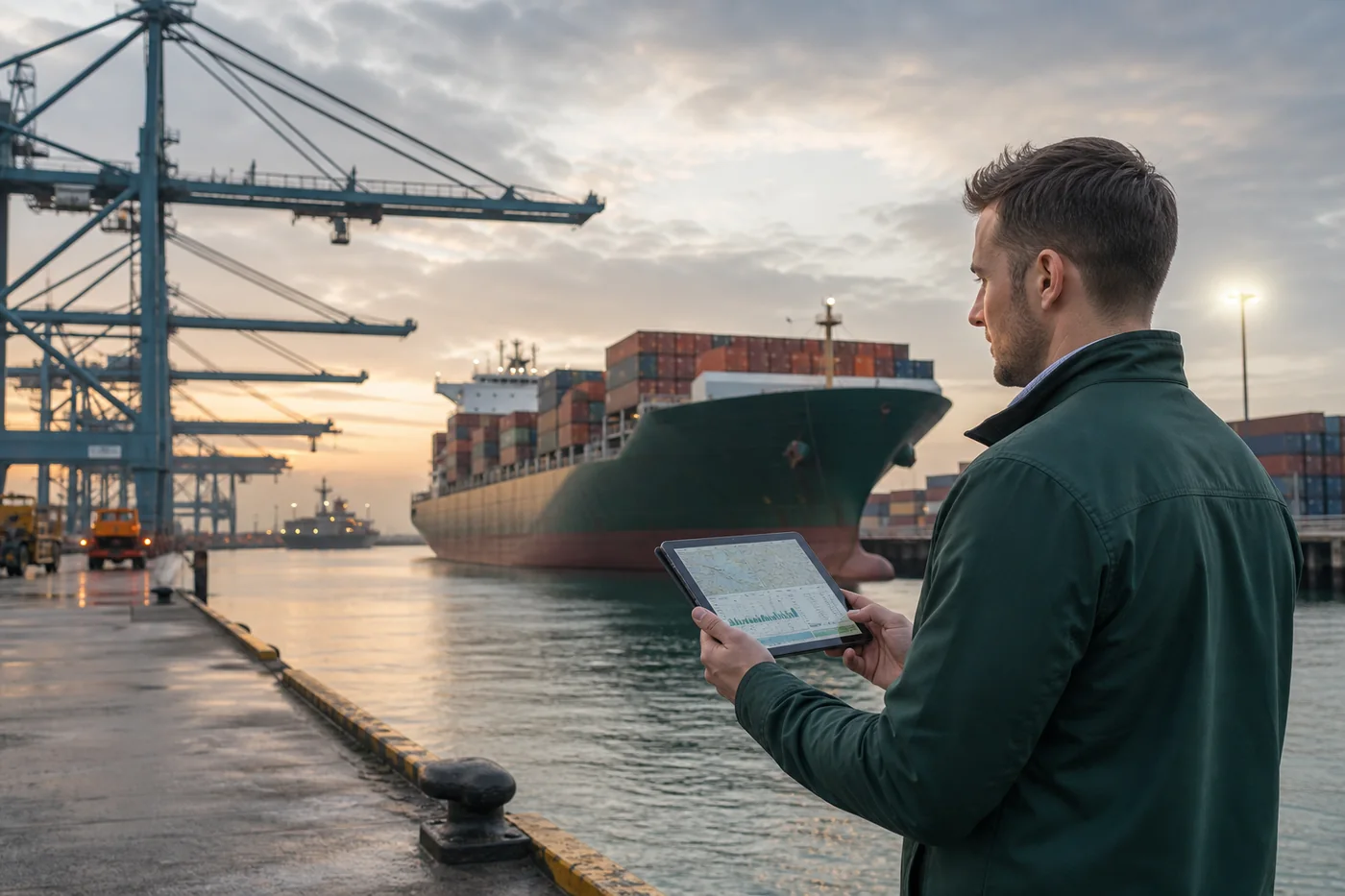
A freight forwarder does more than book transport
A professional freight forwarder coordinates the journey from origin to destination. Depending on the shipment, that may include assessing routes, booking cargo space, coordinating documents, supporting customs clearance, monitoring milestones and responding when a plan changes.
The best relationship feels like an extension of your own team: someone who understands the commercial priority behind the shipment, not only its reference number.
The lowest quote may not be the lowest cost
Freight rates matter, but a quotation only makes sense when you understand what it includes. A low headline price can be outweighed by unplanned handling, storage, detention, demurrage, examination or delivery costs.
Communication protects decisions
International shipping does not always follow a perfect schedule. Weather, congestion, carrier changes and customs enquiries can affect timing. A strong forwarder communicates early, explains the implications and helps the client assess realistic alternatives.
That visibility allows a business to adjust production, inventory or customer expectations before a delay becomes a crisis.
Experience helps identify risk
Different cargo, markets and routes bring different considerations. Useful experience helps a forwarder ask the right questions about documentation, packaging, classification, handling and timing before cargo moves. Preventing a problem is almost always better than solving it after arrival.
Transparency matters
A reliable quotation should be clear about assumptions, inclusions and potential additional charges. Ask whether origin and destination costs are included, whether customs services are available, how long the rate is valid and what information could change the final cost.
Reliability can matter more than speed
The fastest advertised transit is not always the most useful choice. A slightly longer but more predictable option may support inventory and customer planning far better. The right balance depends on the cargo, the cost of delay and the business promise behind the shipment.
Questions to ask before you choose
- Do they understand my cargo and trade route?
- Is the quotation clear about what is included?
- Who will be my point of contact?
- How will they communicate delays or changes?
- Can they explain alternative routes or modes?
- Can they support the documentation and customs process?
A long-term logistics partner creates value
Over time, a trusted forwarder learns your suppliers, seasonal pressures, service expectations and risk tolerance. That knowledge can lead to better planning and more useful recommendations. The relationship moves beyond individual bookings toward continuous improvement.
The Peak Point approach
Peak Point Trade & Consultancy takes a practical, relationship-led approach to international trade and supply chains. We believe good logistics support starts with understanding the client’s priorities, communicating clearly and looking beyond the headline rate.
If you are reviewing a shipment or your wider logistics approach, we would be pleased to start a conversation.
Discuss your shipment →